

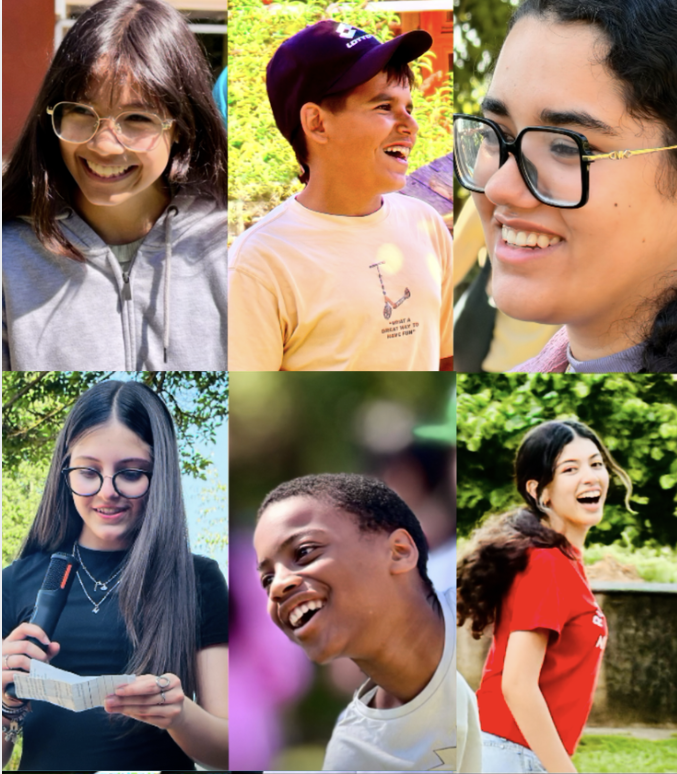
Youth: protagonists of social transformation, today.
Can communities release the potential of young people in Luxembourg?
“Youth can move the world.”
– The Universal House of Justice, 3 January 1984 (letter to the youth of the world)
“The future”.
The “leaders of tomorrow”.
The generation to come.
The stage of youth is often perceived as a temporary phase: still in preparation, still learning, in need of direction, waiting for the moment when they will eventually assume responsibility and be able to contribute to the advancement of society.
 Today’s world certainly offers unprecedented opportunities, but it is also shaped by forces such as individualism, polarisation and materialism that increasingly influence how young people see themselves and the world around them. Although social media and entertainment create new possibilities for learning and connection, they can also foster comparison, isolation and external measures of self-worth and success. Many are coming of age in a world confronted with anxiety, uncertainty, and an increasing disconnect across different generations.
But what changes when young people are recognised not primarily for the challenges they face, but for the unique qualities and capacities they possess and develop? What happens when they find spaces where they can voice their ideas, when they are trusted with responsibility, encouraged to consult, take initiative, and discover meaningful paths of service? How can the unique energy and idealism that characterise this stage of life be released and channelled towards the common good?
The springtime of life
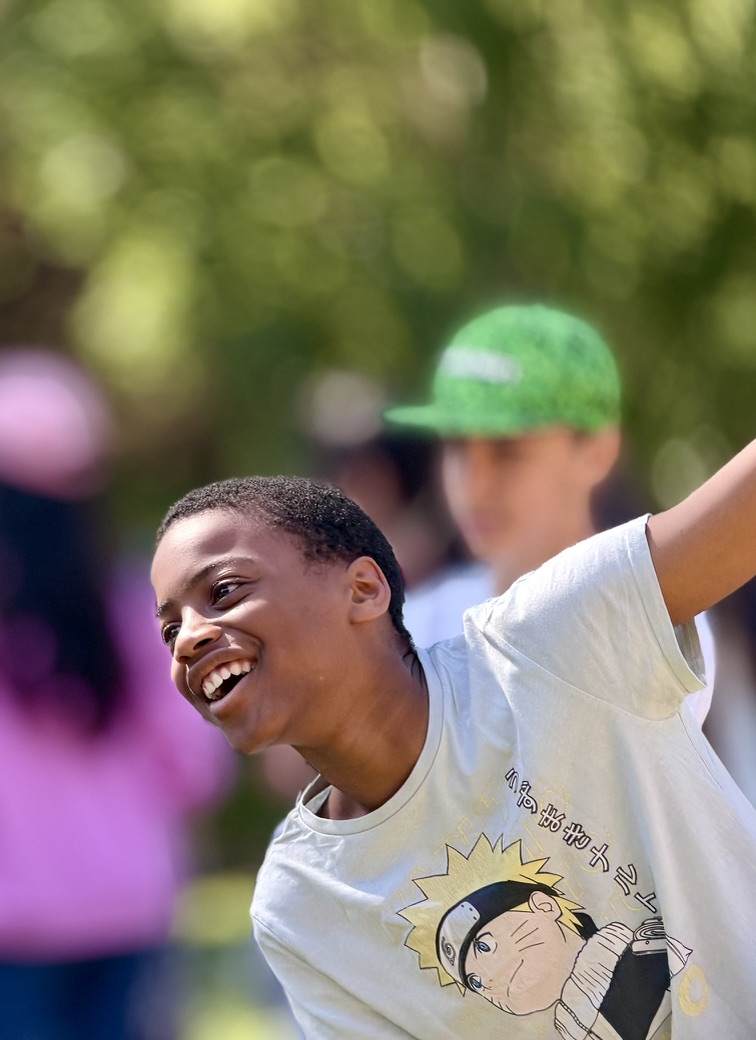 The Bahá’í beliefs present a profoundly different vision of youth.
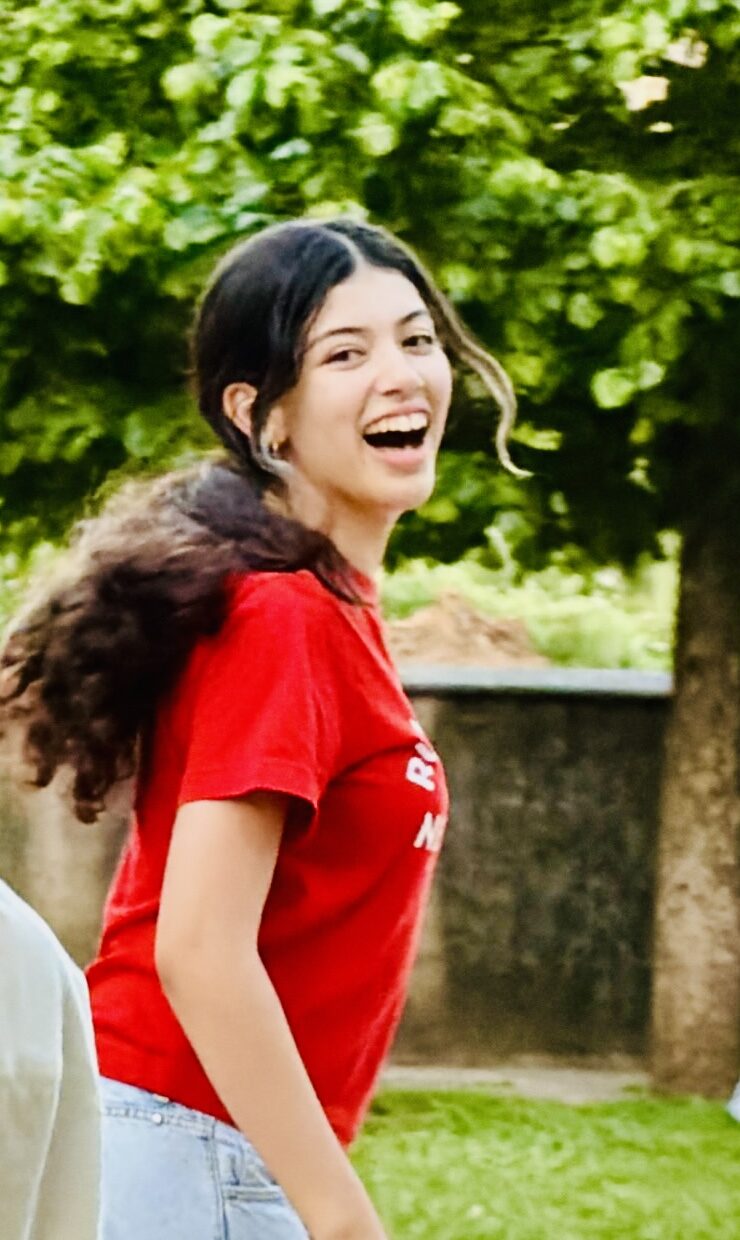 Rather than seeing young people as empty vessels waiting to be filled, they view every young woman and man as possessing a noble nature and immense potential that unfolds through reflection, action and service.
Instead of perceiving this stage of life simply as preparation for future responsibilities, Bahá’í writings describe it as the “springtime of life,” “characterized by strength and vigor” (Abdu’l-Bahá): a unique period in which spiritual, intellectual and moral capacities can find expression in service to the world around them. This vision recognises in young people energy, courage, hope, openness to change, generosity, and an acute sense of justice: qualities that can become powerful forces for the transformation of society. And as these potentialities unfold, adolescents discover a renewed sense of purpose and belonging, recognising themselves not as recipients awaiting a future role, but as protagonists in the spiritual and material development of their communities.
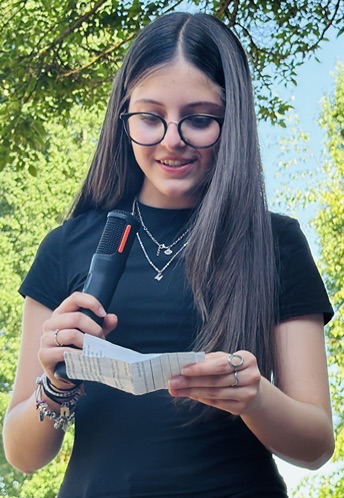
Experiences from diverse settings around the world increasingly point to the capacity of moral and spiritual education, inspired by the principle of oneness of humanity, to release the powers inherent in young people and foster movements characterised by initiative, resilience, a thirst for knowledge and a commitment to the betterment of society.
The question, then, is no longer whether young people have the willingness or ability to contribute, but rather: how can families, communities and institutions create environments in which these capacities are nurtured? How can these qualities be channelled into meaningful paths of service that strengthen social cohesion and advance their communities?
Summer camps: a practical expression of social cohesion
For many years, the Bahá’í community of Luxembourg, together with increasing numbers of collaborators, has been engaged in a grassroots process of learning about the above questions. Across the country, this learning process is already unfolding through countless conversations, relationships and local initiatives that gradually give rise to new patterns of community life.
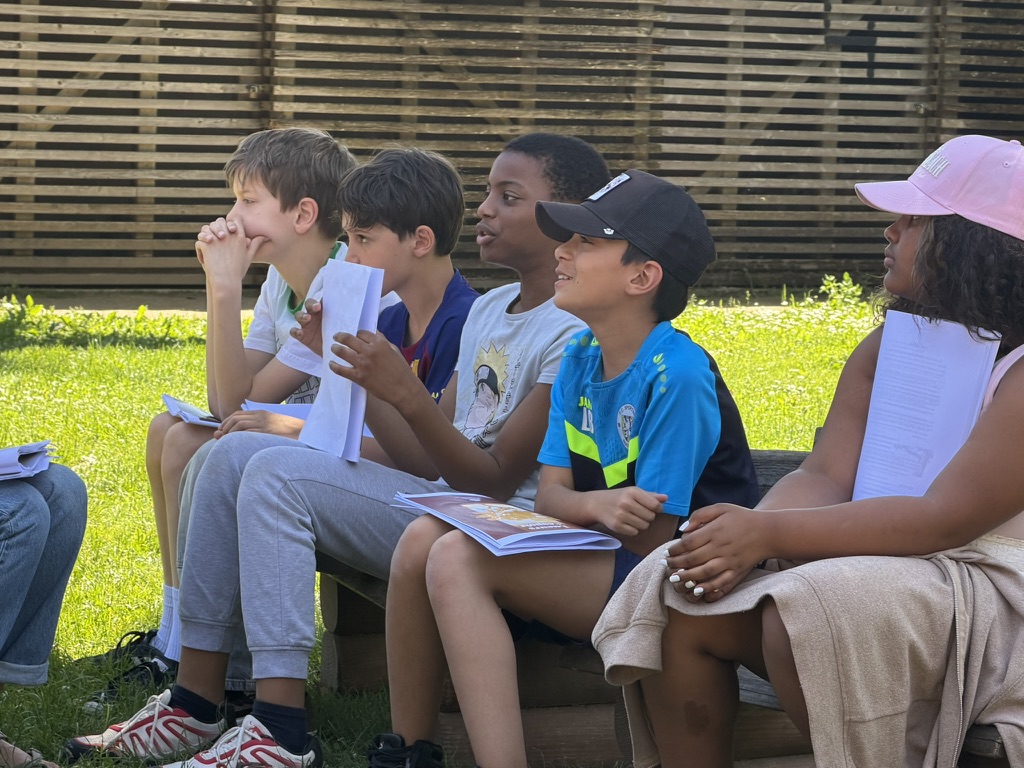
The learnings from this experience suggest that such capacities are not meant to be released in isolation; they emerge most naturally within collective settings, such as youth groups, camps and gatherings, where young people learn alongside one another, form genuine friendships, assume more and more responsibility for community-building efforts in their neighbourhoods, and discover that their own progress is inseparable from the progress of others.
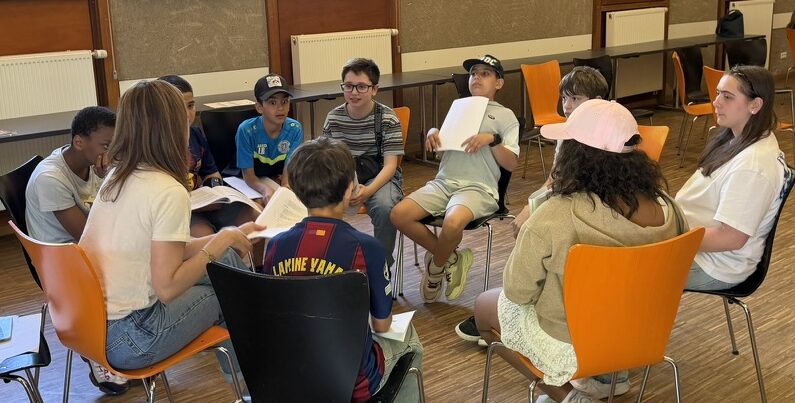
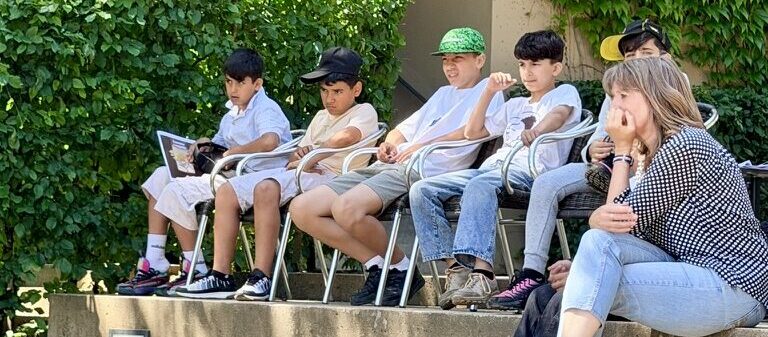
At the heart of this process are junior youth groups that meet regularly in neighbourhoods and local communities all over the country. These weekly gatherings form part of the global Junior Youth Spiritual Empowerment Programme, a sequence of educational courses of the Ruhi Institute for young people aged 11 to 15. Through study, reflection, consultation and service, the programme helps participants discover the nobility of their true identity, strengthen relationships and release their powers to contribute to the spiritual and material development of their communities.
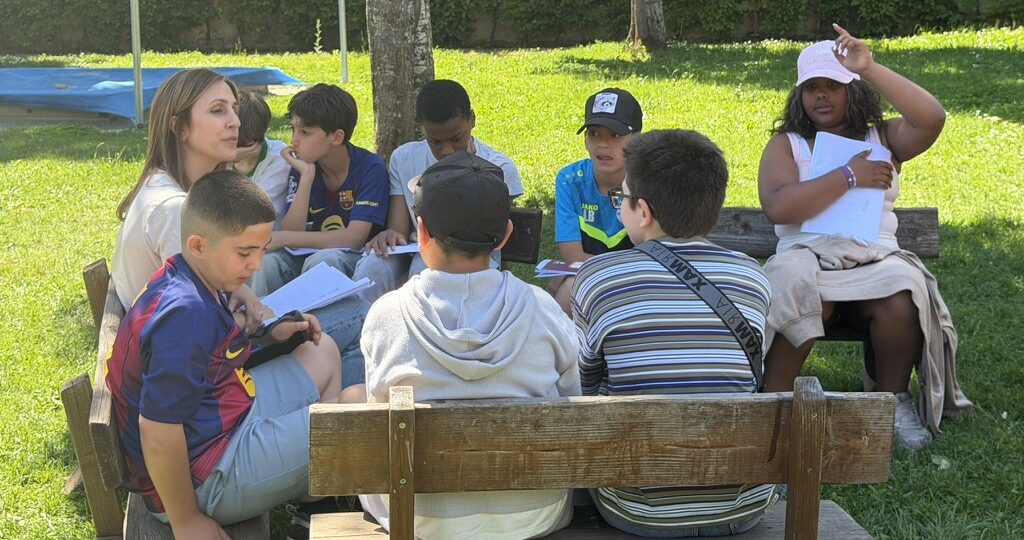 Embedded in wider processes of community building involving children, youth, families and other residents, young people are encouraged to reflect on the realities of their neighbourhoods, consult together and translate their insights into action, working together to address the challenges they are facing: from strengthening neighbourhood life to responding to environmental or social concerns. Their energy increasingly finds expression in initiatives that promote care for the common good and they begin to recognise and nurture the power of consultation, cooperation, justice, unity, love, and hope as practical forces to bring about social transformation.
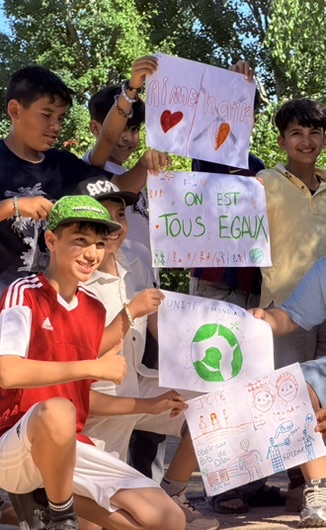 Seasonal camps complement this ongoing process, bringing together groups from different localities to explore specific topics, strengthen capacities, and connect with one another. With the vision of having more and more local camps in the future, these collective moments provide opportunities to exchange experiences, encourage one another and deepen patterns of study, service and community life already developing in their neighbourhoods. By living, reflecting, serving and learning together over several days, the young participants can experience more deeply the patterns of community life they are striving to build in their own localities.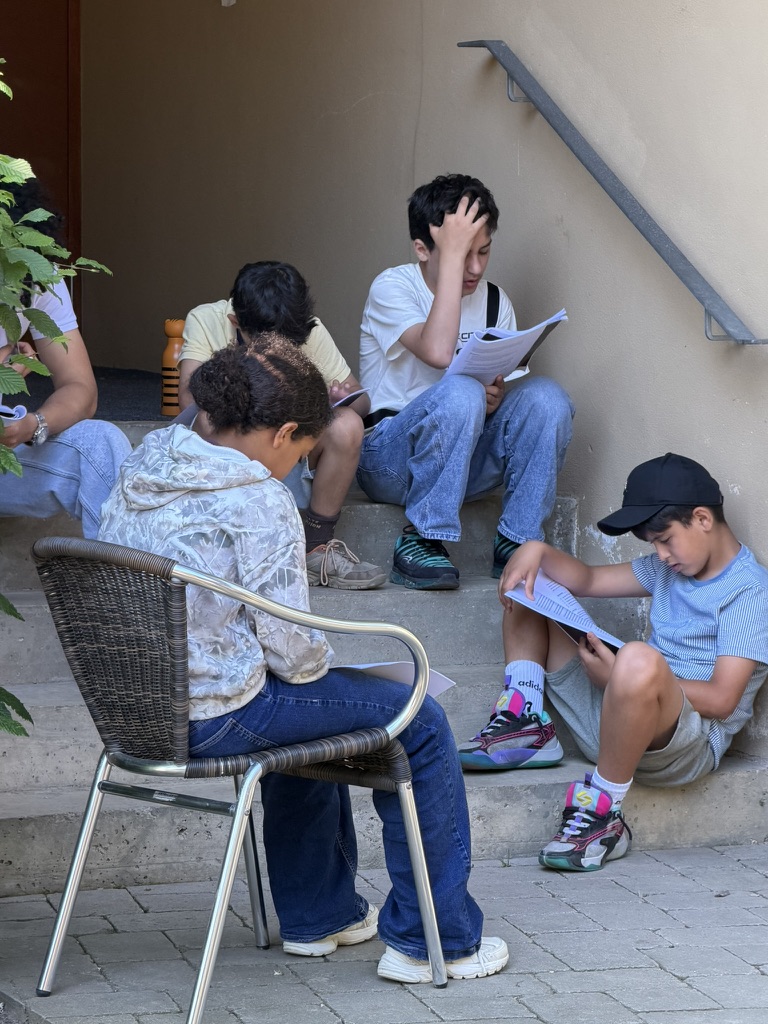
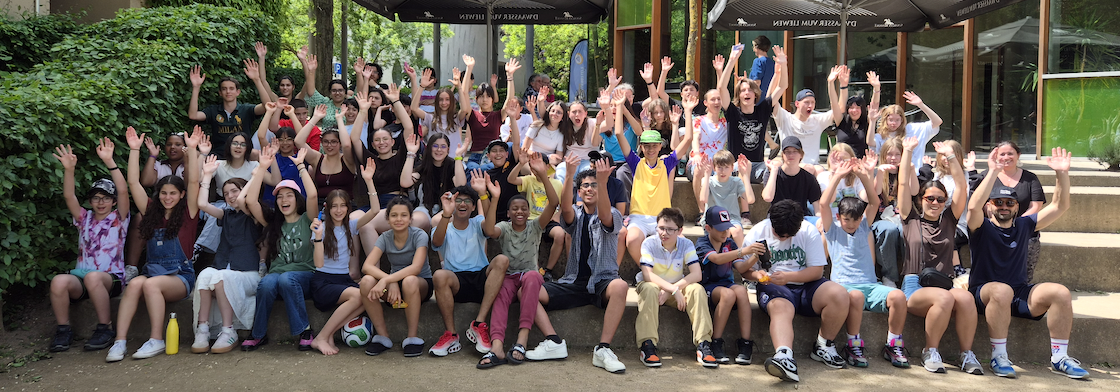
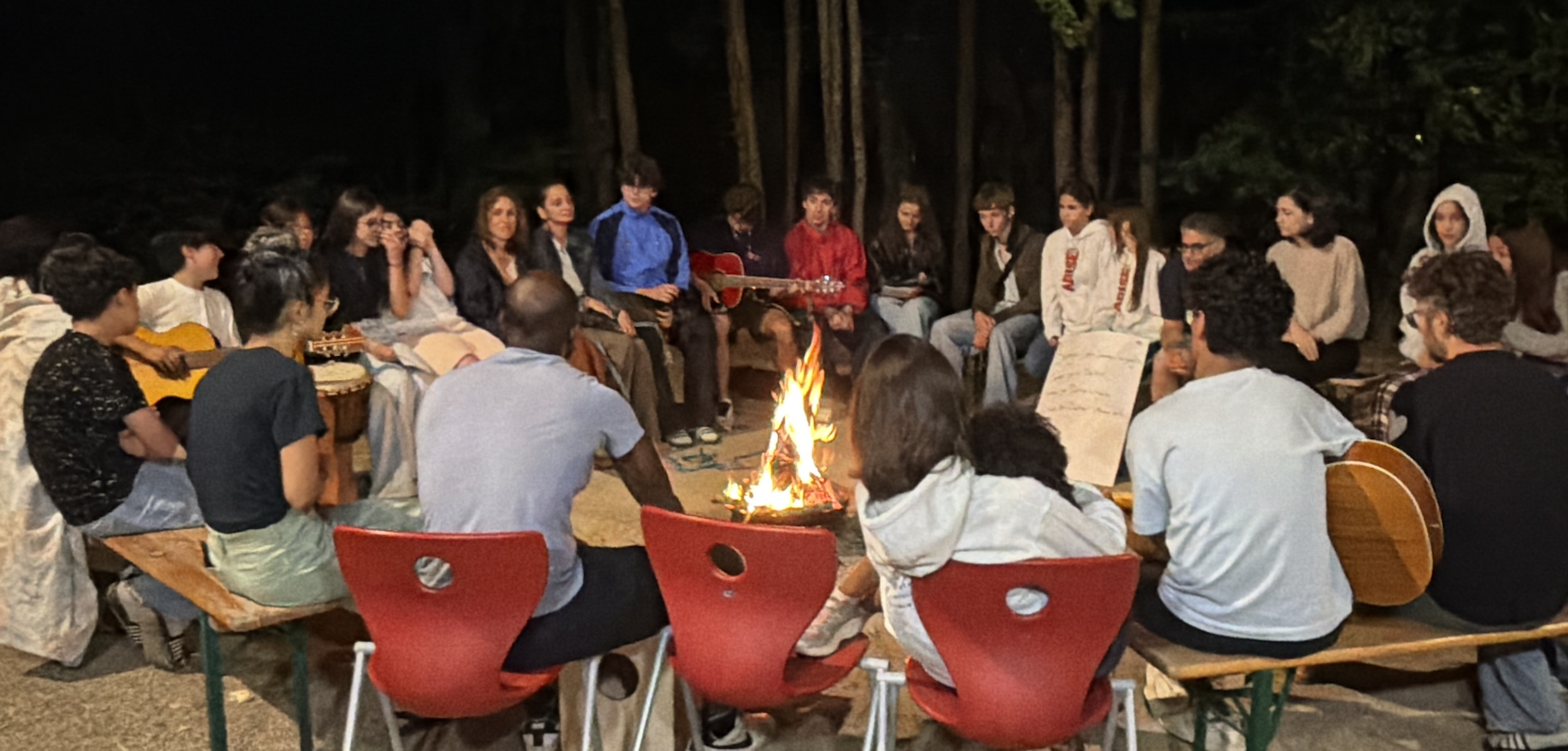
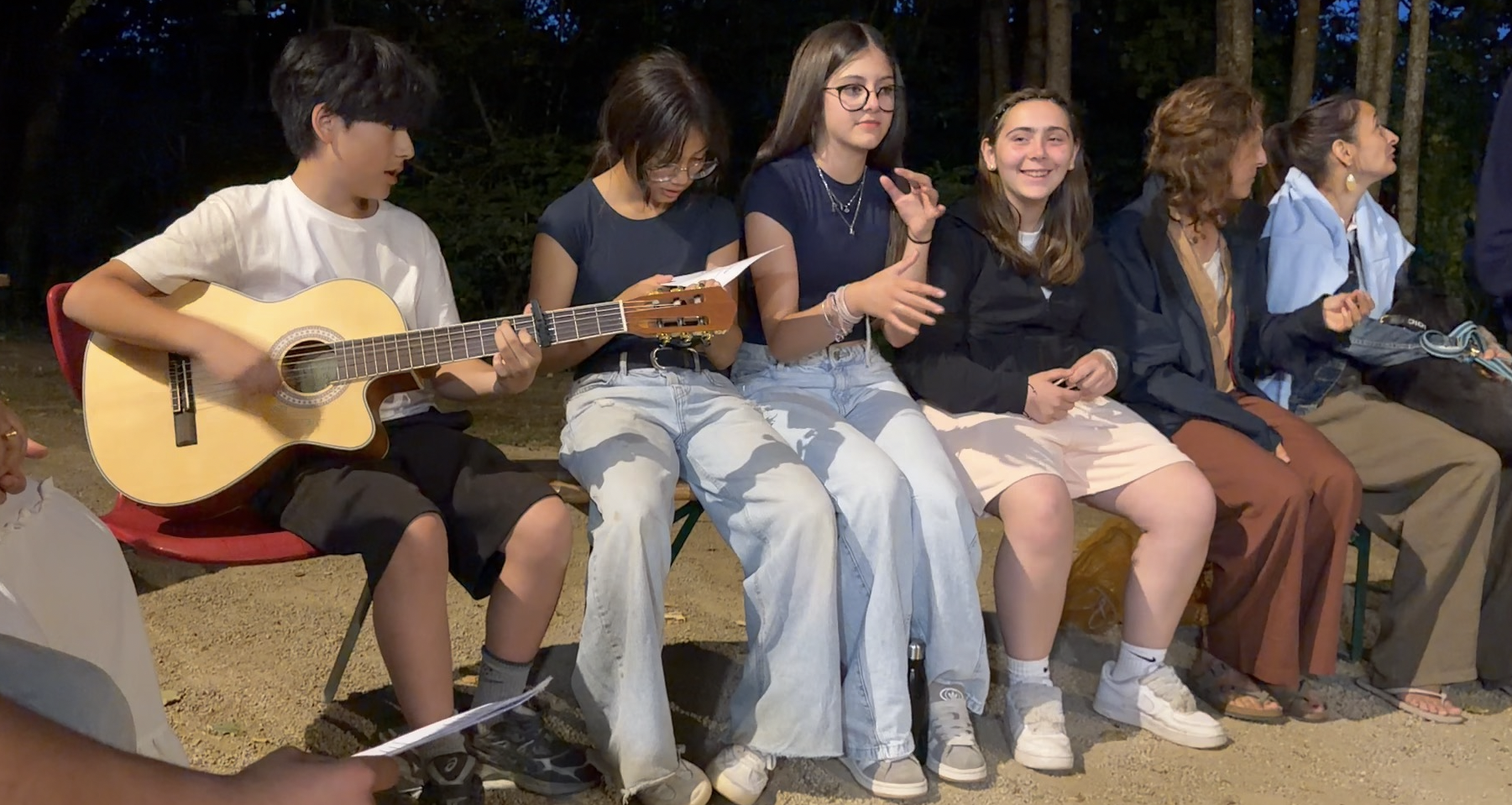
Earlier this summer, two of these camps brought together junior youth and youth from local groups across Luxembourg. At first glance, they may look like many gatherings organised during the school holidays, with games, sports, music, arts and conversations around a fire. Yet these camps are not conceived simply as pure entertainment or just isolated events, but as periods of particular intensity within a wider educational process unfolding throughout the year.
“Glimmerings of Hope”: summer camp in Remerschen
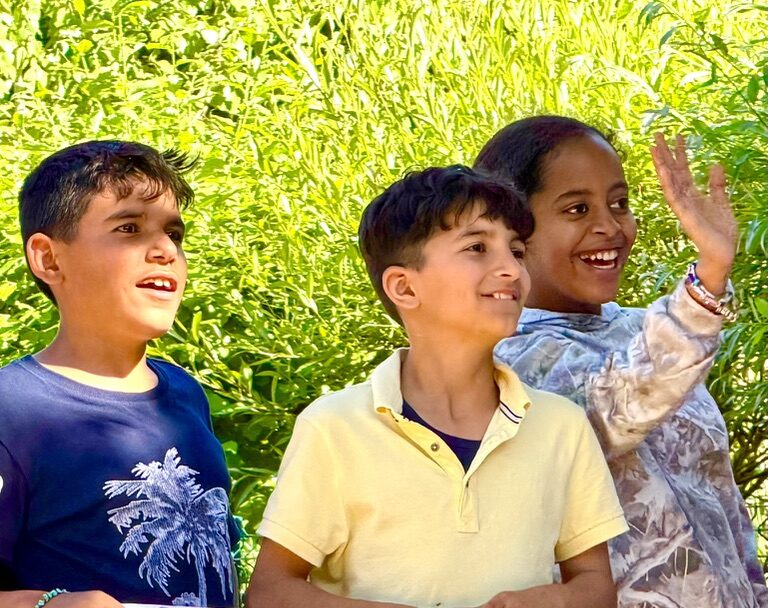
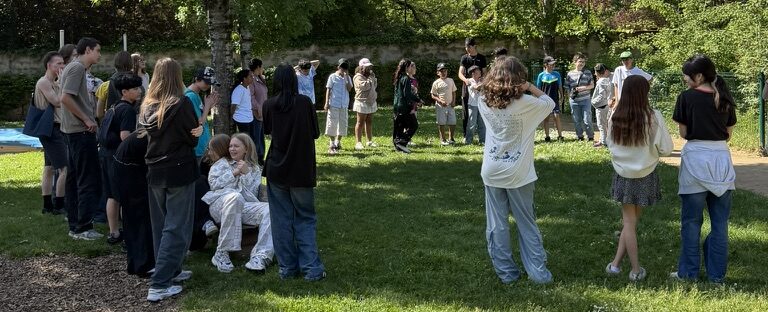
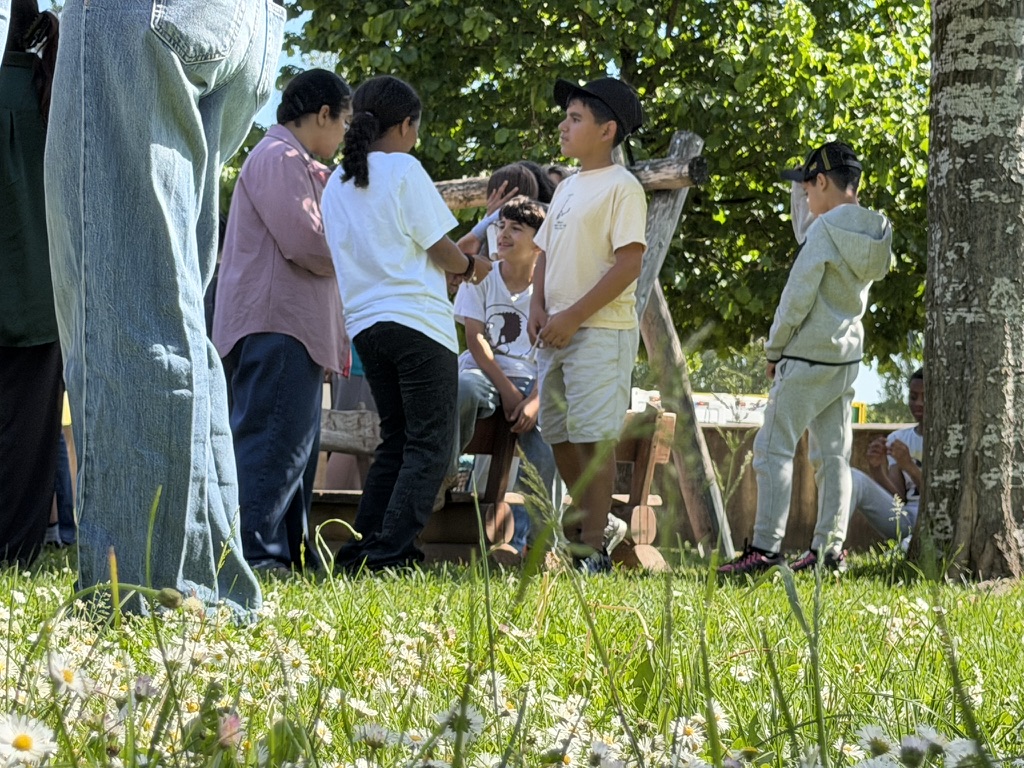
The first gathering, held at the beginning of the summer, brought together 43 junior youth and 11 young animators from neighbourhoods across Luxembourg, reflecting the country’s remarkable cultural and linguistic diversity. Among the participants were young people from Luxembourg as well as families with Kurdish, Syrian and Ukrainian backgrounds.
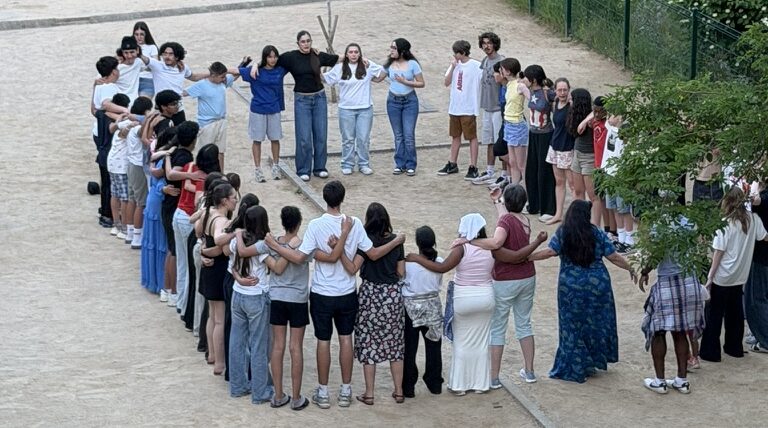
The program, implemented locally, seeks to help youth to grow spiritually and intellectually and play a part in the advancement of an ever more united and peaceful world. For many, this was one of the most significant discoveries: realising that the small group they attend each week is part of a much broader youth movement “meeting peers from across the country helped me recognise that, despite our diverse backgrounds, here we all share a common purpose” remarked one of the junior youth.
 .
. 
“Here I don’t feel judged. I can really be myself.” … “When someone makes a mistake, nobody laughs. We help each other.”
shared a12 years old boy. Many young participants described the junior youth groups they attend weekly as
“a safe place, where we are free to express our feelings as we wouldn’t do in school or in other contexts.”
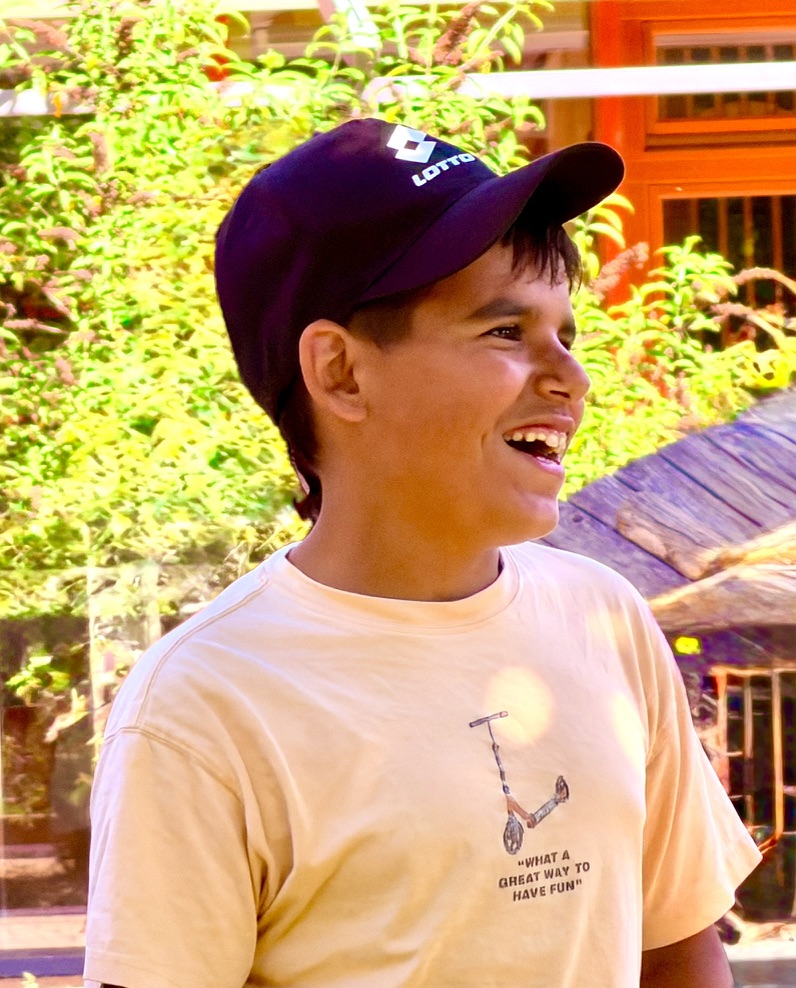
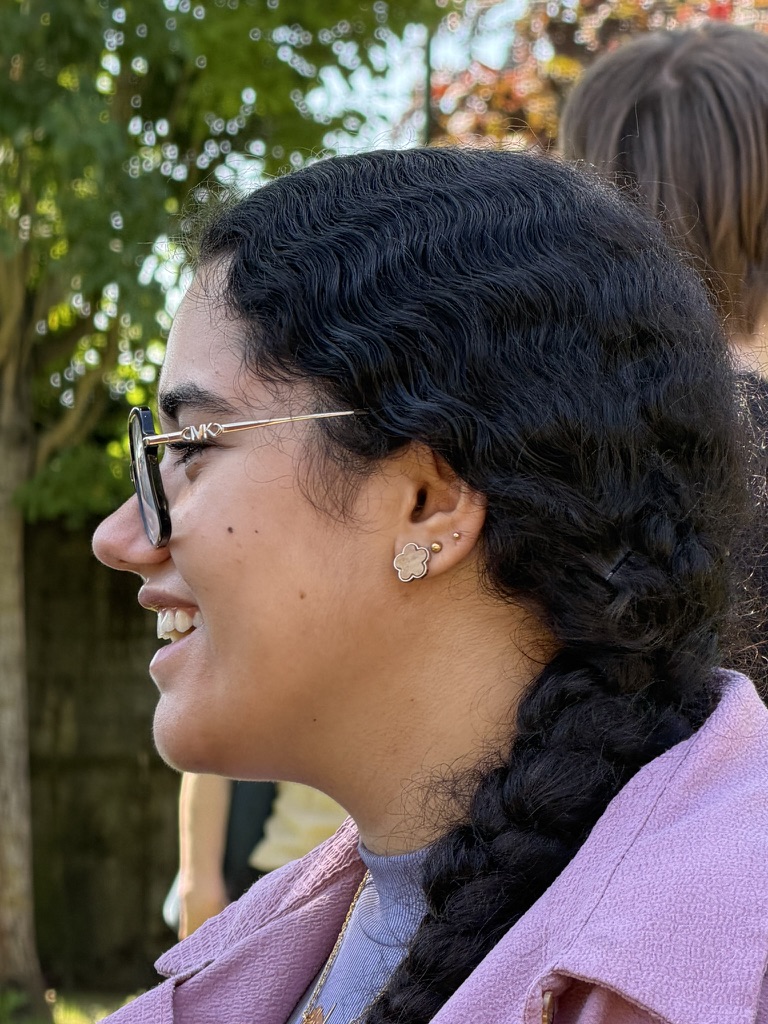
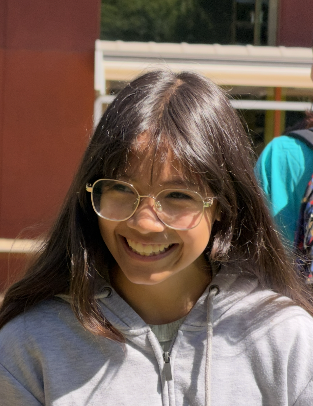
Throughout the camp, participants engaged in study, cooperative games, artistic expression and consultation. Conversations explored themes such as friendship, justice, courage and the nobility inherent in every human being, not only as abstract concepts, but as principles that, when translated into action, can transform schools, families and neighbourhoods from the within.
Over four days, they experienced the power of these principles in practice. Beyond discussing consultation, cooperation or kindness as ideals, they also learned to listen, empathise, consult and navigate moments of frustration together, discovering that unity is strengthened not by avoiding differences, but by learning how to address them constructively.
“these are principles that help us to interpret our reality, if we don’t have any, our reality can be misinterpreted”
– continues a 18 years old animator.
A strong spirit of unity also soon became more tangible after some time: when disagreements would arise, participants were encouraged to consult together rather than determine who was right or wrong. As one adult facilitator observed,
“After a few days they would tell us: “we had a problem, but we solved it ourselves.”
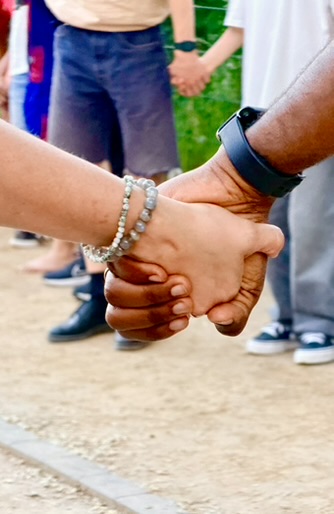
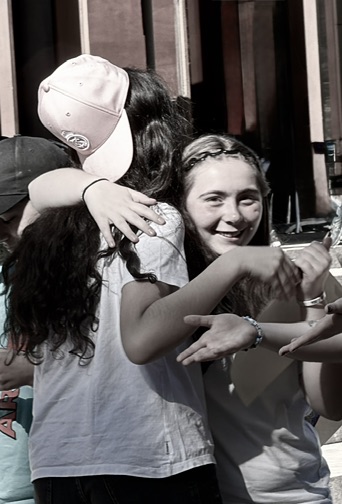
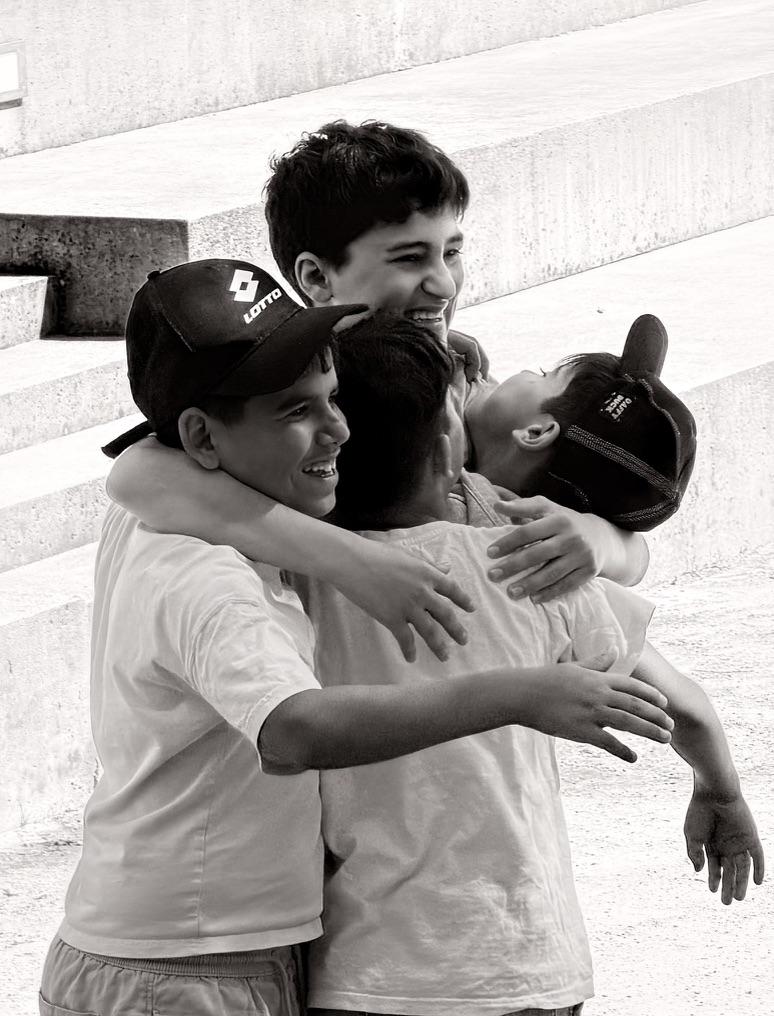
Small acts of service also became part of the camp’s joyful atmosphere. Without being asked, some would clear tables after meals, tidy up shared spaces and look for simple ways to help one another. Throughout the week, an activity called secret friend invited each person to anonymously do acts of kindness for someone else: handwritten notes, small gestures of encouragement and unexpected acts of service.
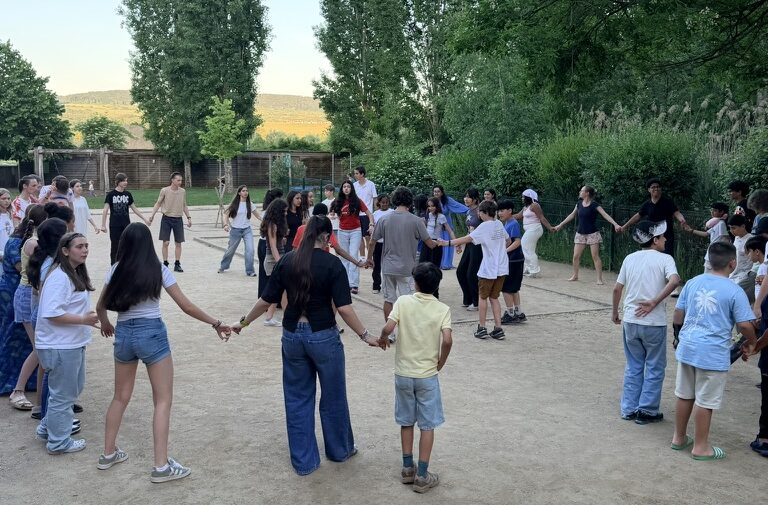
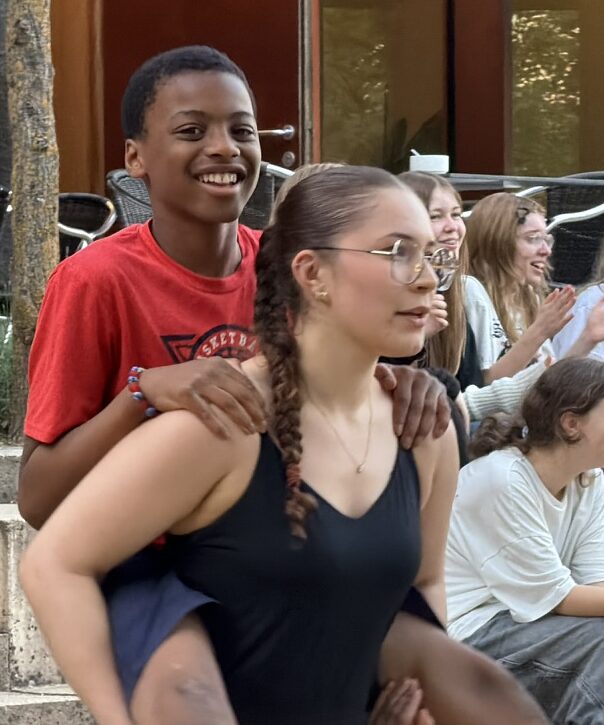 Qualities such as generosity, trust and encouragement soon became natural patterns of relationship, extending well beyond the study sessions themselves. One of the texts studied together, Glimmerings of Hope, deeply moved participants through the story of Kibomi, a young boy who, after losing his family in war, chooses love over hatred.
“We were created to love, not to hate,”
became a phrase heard throughout the camp, during study sessions, football matches, shared meals and even moments of conflict, illustrating how spiritual principles can illuminate even the everyday difficult realities of life. When participants returned home, some parents described them as more attentive, more grateful, more eager to help and enthusiastic to share the songs and stories they had learned together.
A generation empowering the next one: summer camp in Differdange
Only a few weeks later, a second camp brought together youth from four local communities: Bonnevoie, Cents, Foetz and Differdange. While the first gathering helped junior youth discover their own resources, this second stage focused increasingly on
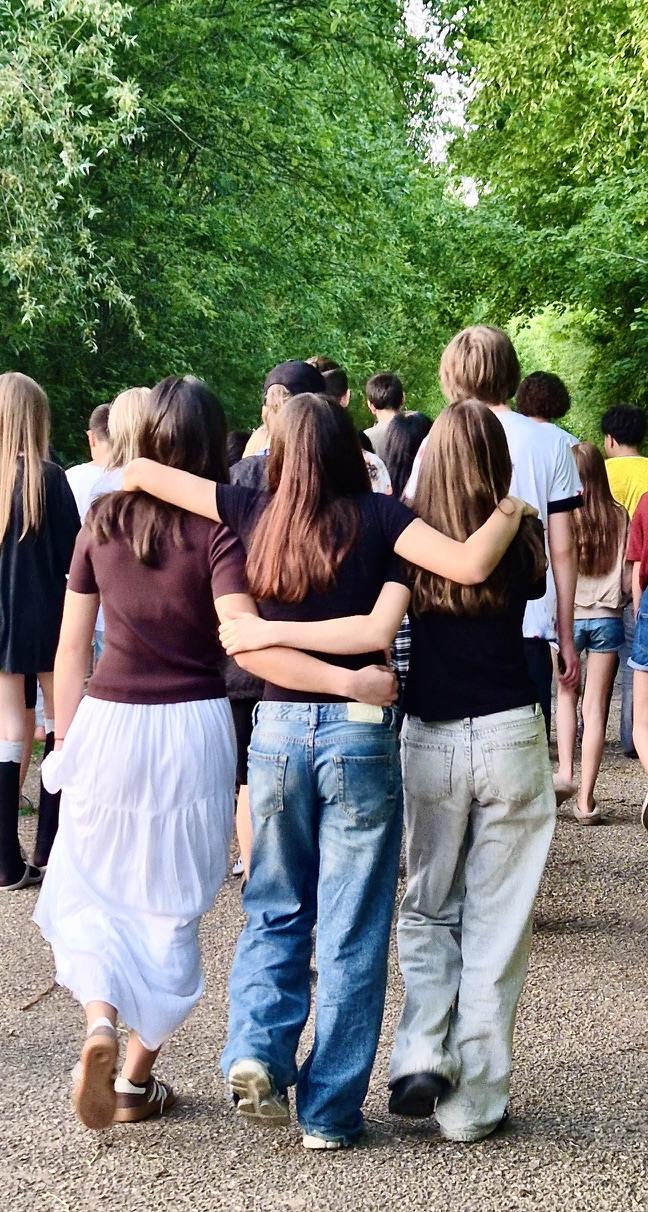
accompanying others and learning to become protagonists of change.
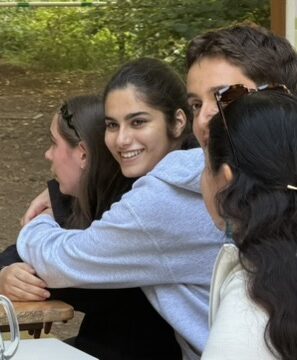 Together, the youth took part in the Ruhi Institute’s training process, which embraces three successive stages of development: the spiritual education of children, the spiritual empowerment of junior youth, and the development of capacities for service among youth and adults. During this camp, they focused on learning how to carry out classes on spiritual qualities to accompany smaller children in their development.
The youth reflected on questions such as: how can we embrace more children and families? How can we strengthen our local communities?
“Here I learned all the important human qualities, such as truthfulness, the foundation of all human virtues. When we were smaller, in our own children’s classes, we learned to apply those virtues in our daily life and now I feel the need to teach them to my younger brothers and transmit those values to other children, because in the end we are all part of one big human family”
shared a 15 years old participant, highlighing the unique influence youth have upon one another.
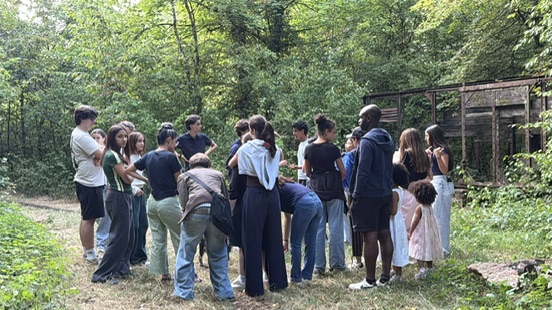
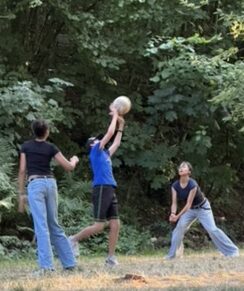 As the camp continued, the youths assumed increasing responsibility for planning activities, accompanying junior youth and consulting together, while adults gradually stepped into the background, creating the space for them to take initiative, make mistakes, learn from experience, take decisions together and grow in confidence.
When asked why one should volunteer to help younger youth, a 17 years old tutor said
“in the way I have been raised, service to others is essential and central to one’s life: it is our reason to live, that’s why I am giving my time to these activities to guide younger generations”.
“For a twelve-year-old, seeing an older teenager serving, consulting and assuming responsibility gives a vision of what they themselves could become,”
reflected one adult mentor – “their influence doesn’t come from authority, but from the power of their example, as a positive role model”.
At a time when questions of social cohesion and the well-being of young people are increasingly present in Luxembourg’s public discourse, these experiences suggest another option. Open to participants from every cultural or religious background, this process illustrates how moral and spiritual education can cultivate virtues and capacities while respecting the beliefs and cultural differences of every individual.
In doing so, it offers a practical glimpse of communities not as static realities, but as something continually built through our relationships and actions in neighbourhoods, schools and workplaces, as spaces where young people can increasingly become protagonists, “practitioners of peace” in their daily lives, and contribute actively to a more just and united society.